Roof orientation and pitch
Which way your roof faces and how steeply it slopes both affect suitability. South-facing is often mentioned, but east–west arrangements are common in the UK too.
Technology
A plain-English overview of what's involved. Suitability for your specific property is always determined by a physical survey.
Rooftop solar
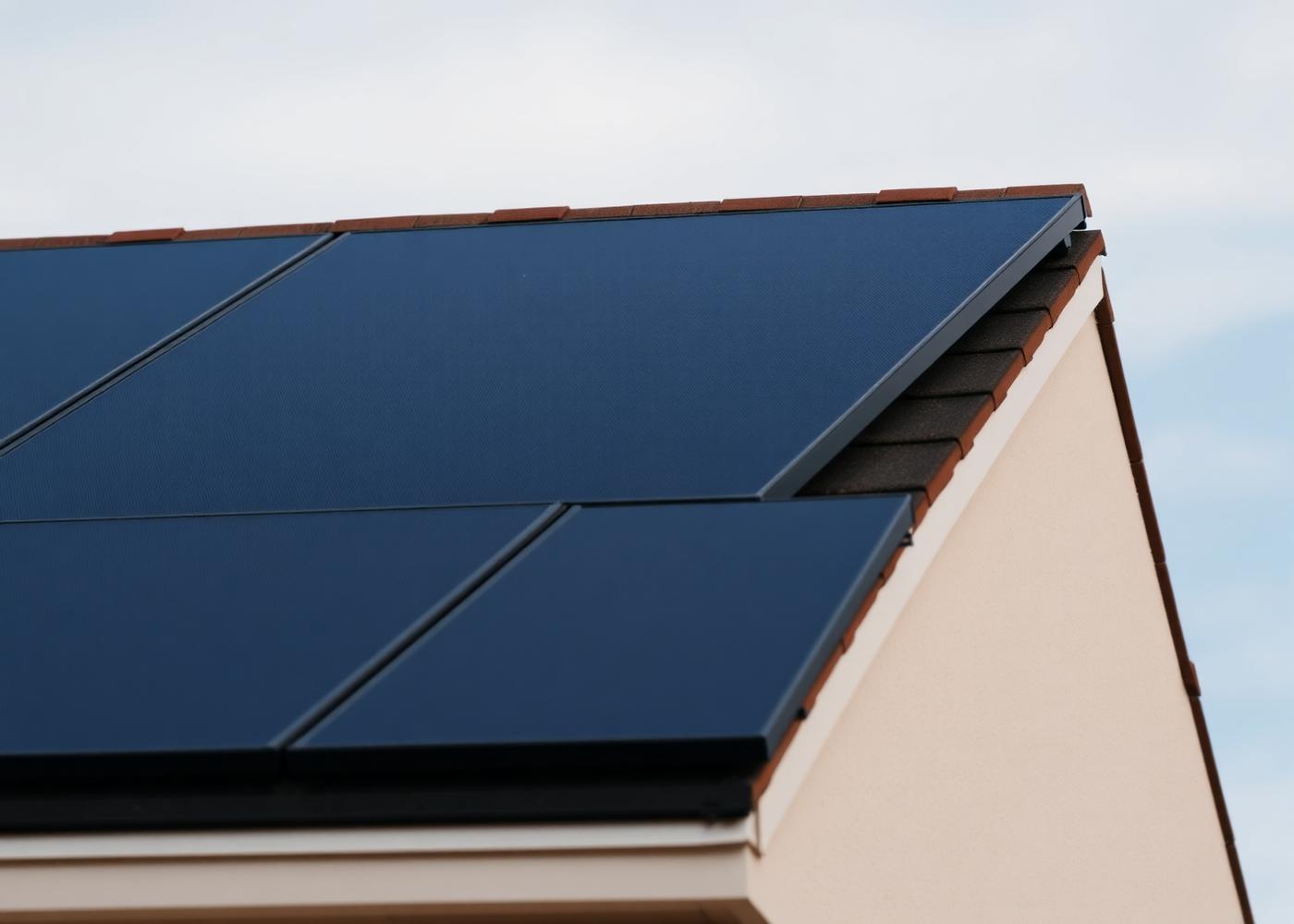
Solar photovoltaic panels convert daylight into electricity your home can use. Modern all-black panels sit low and tidy on a UK roof, and in-roof options can be integrated flush with the tiles for a cleaner finish.
How much a particular system would generate depends entirely on your roof, so we leave that calculation to the certified installer who surveys it.
Battery storage
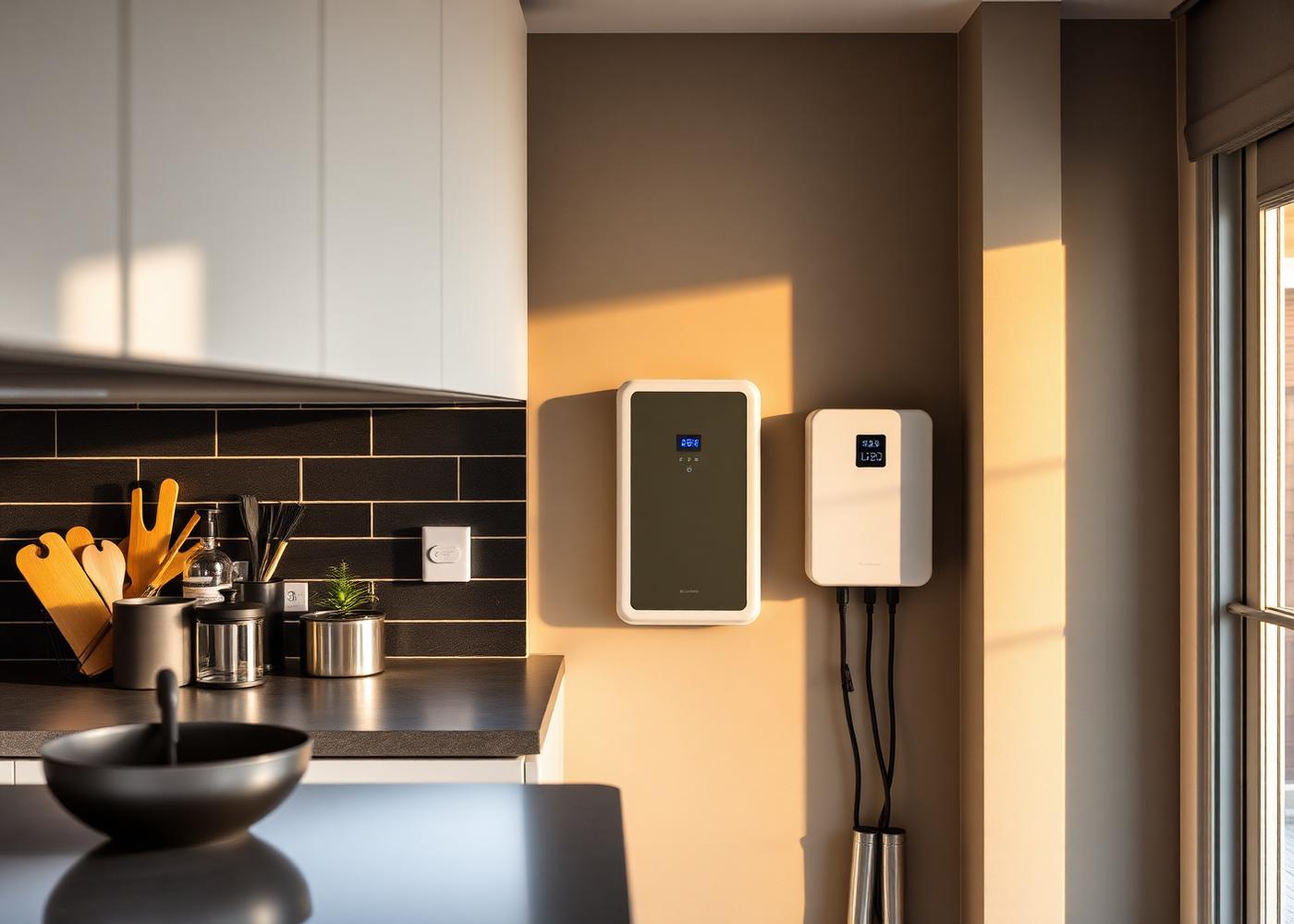
A home battery stores electricity so it can be used later, for example in the evening. Batteries can also work alongside time-of-use energy tariffs, and can be added at the same time as solar or considered separately.
Whether a battery makes sense for your household is a conversation to have with the installer once your usage pattern is understood.
Suitability
Which way your roof faces and how steeply it slopes both affect suitability. South-facing is often mentioned, but east–west arrangements are common in the UK too.
Trees, chimneys and neighbouring buildings all matter. A surveyor assesses shading properly rather than guessing from a satellite image.
The roof covering and structure need to be sound. If work is needed first, a good installer will tell you before anything else happens.
Your existing electrical installation is checked as part of the technical survey and may influence what can be fitted.
When you're at home and how you use electricity influences whether battery storage is worth discussing.
Most domestic installs fall under permitted development, but listed buildings and conservation areas need extra care.
Answer a few questions and we'll take it from there.
Get Your Free Solar Assessment